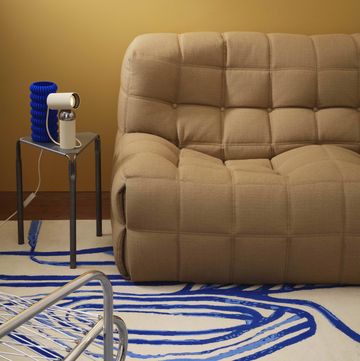
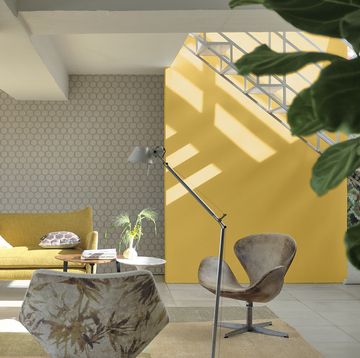
No matter your style, creating a beautifully designed home often comes down to how you use colour – and one paint technique that’s set to be everywhere in 2026 is colour capping. We’ve discussed the design world’s obsession with ceiling for some time, but this is a simple and effective way to highlight them, drawing attention upwards.
Below, design experts share how to embrace the colour-capping trend and master the look throughout your home.
What is colour capping?


‘The next big paint trend, colour capping is a clever way to refresh your home and achieve a designer look with just a few tins of paint. By using paint in varying tones from the same colour family, you can completely transform the atmosphere and proportions of the room,’ Helen Shaw, director of marketing (international) at Benjamin Moore tells us.
Put simply, colour capping is all about using similar shades across key areas of a room, such as the walls and ceiling.
‘In colour psychology, the key to using colour is balance and proportion,’ adds Charlotte Broadribb, colour consultant and co-founder of Yinteriors. ‘Colour capping does this, as well as creating the perception of more height in a room.’
Once you’ve chosen your paint colours, continue the theme with complementary tones in your furniture and accessories for a truly colour-capped finish. It’s about every element in the room working together in perfect harmony.
What's everyone reading?
Colour capping vs colour drenching vs double drenching
‘Unlike colour drenching, which covers every surface in a single shade, colour capping layers tones from the same colour family to create a soft gradient effect that intensifies towards the ceiling,’ explains Helen.


Double drenching is another bold painting technique that involves coating all available surfaces – walls, ceilings, radiators, and woodwork – in two or more colours from the same palette. While double drenching celebrates contrast and saturation, colour capping offers a softer, more refined look, focusing on tonal harmony and balance.


Choose the right paint finish
For added visual interest, consider varying the paint finishes between the walls and ceiling. ‘Using a paint with a higher sheen level on the ceiling can add a touch of drama as it reflects light and draws the eye upward, incorporating the often-forgotten “fifth wall’ into the design,’ Helen adds.
The result is a look that feels both dynamic and considered – a gentle play of light, depth, and tone that gives rooms a sophisticated, designer finish.
How to decorate with colour capping


Once you’ve chosen your base shade for the walls and ceiling, carry these tones through in your upholstery and soft furnishings for a layered, harmonious look. ‘For example, echo the ceiling’s deeper tone in a velvet sofa or a pair of armchairs,’ explains Magdalena Gierasinska, head of product and displays at Barker and Stonehouse.
Cushions, ceramics, and artwork can subtly reinforce the scheme, while metallic fixtures and wooden furniture add contrast and texture without overwhelming the space. The goal is a calm, layered look where every element complements the next.
Where colour capping works best


The versatility of colour capping makes it effective in both period homes and modern interiors. ‘In older properties, it can highlight architectural features such as cornices and picture rails whereas in newer or more minimalist spaces, it adds depth and warmth, giving clean surfaces a richer, more dynamic quality,’ says Helen.
Colour capping works beautifully in larger, more dominant rooms like the living room and bedroom – particularly if you want to create a peaceful atmosphere. ‘Thinking about who uses the room and how they use it is incredibly important,’ Charlotte tells us. ‘It works particularly well in rooms used for socialising, studying, or quiet time.’ Natural greens, blues, and creams work especially well to enhance this sense of calm.
Helen agrees: ‘Whether you opt for soft neutrals, earthy hues or bold jewel tones, colour capping works beautifully in rooms where comfort is key. Extend the paint onto the ceiling in a slightly deeper shade to cocoon the space, making it feel calm, inviting and ideal for unwinding.’
Where to avoid colour capping
While colour capping can work wonders in many rooms, there are some spaces where it’s best avoided.
‘In a room that is already very dark, has low ceilings, small windows, or is a small space, I recommend reconsidering colour capping,’ notes Charlotte. ‘This is because it can make these spaces feel smaller.’
If this rings true for you, take a softer approach by styling with accessories in coordinating shades instead. Choose cushions, ceramics, or artwork in similar tones to create a cohesive, colour-capped feel – without visually shrinking your space.