My grandparents’ generation were very touched by the partition of India and Pakistan. Our family were landowners and became completely split up. Carpets, furniture and paintings had to be left behind, but one thing they could take with them across the border was jewellery – my grandmother travelled alone on a train and sewed it into her clothes for the journey.
She would always say: ‘This is all I could bring.’ It is one of the few physical connections we have to our ancestors. Migration forces you to think through that lens – you’re choosing the things that matter to take with you.
In my family, jewellery is thought of as a collective pool; I’m the guardian of it, but my mum can wear it any time and I can borrow hers or my sister in law’s, because we have so many events in our culture that no one person can have enough!

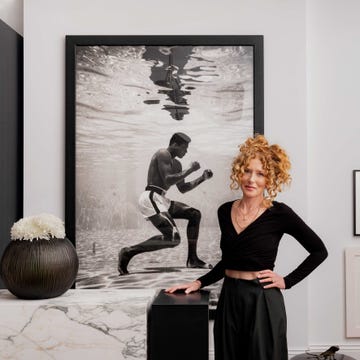
For me, jewellery reflects what it means to be an Indian woman. A big part of our culture is that you break up pieces and turn them into other things. The pendant that I’m wearing here is set with precious stones and was originally part of a head ornament called the maang tikka. Maang is the parting in your hairline and tikka is a central dot on the forehead. It was owned by my great-grandmother, who my mum adored.
She split this piece across the family and let my mother pick the part she’d like. She chose the biggest! It was given to her 50 years ago when she got married, then passed to me. I’m not very materialistic, but some things mean a huge amount because of what they represent; the story of resilience and survival. elicyon.com